Town Square Dubai: Affordable Family Living & Investment Opportunities
Town Square is arranged across eight distinct sub-communities, each with its own character but sharing the same central park and amenity spine. The development sits at the junction of Al Qudra Road and Emirates Road, connected to the wider city by two major arterial roads while remaining quiet enough within the gates that the distinction between inside and outside is immediately felt.
The central park, launched in 2019, anchors the community both physically and socially. A carousel, kids’ train, Wave Rider surf simulator, splash pad, skate park, basketball courts, trampoline park and Battle Park running paintball and airsoft zones make it a genuinely active space rather than decorative greenery. Community swimming pools are distributed throughout the sub-communities and the cycling and jogging network is extensive enough to be used seriously rather than casually.
Daily retail needs are covered within the community. Carrefour, Spinneys and Géant handle grocery shopping. Salons, pharmacies, a laundry service and various convenience providers are operational. On the dining side, residents have Caya for Mediterranean food, Bait Jafra for Middle Eastern, Benny Mack’s for a gastropub experience and a spread of international brands including Nando’s, Five Guys, Tim Hortons, IL Forno and Taqado. The community functions on a day-to-day basis without requiring a drive out.
Why Buyers & Investors Choose Town Square Dubai
The motivation is consistent: space, affordability and a community that functions as one. Buyers comparing Town Square against similarly priced options elsewhere in Dubai tend to find that the park infrastructure, the cycling network and the overall sense of a planned neighbourhood outweigh what they might get from a cheaper apartment in a more central but less considered location.
Families are the dominant buyer profile and the community was designed for them. The play facilities, pet-friendly parks and dog runs, security patrols, nurseries within the development and schools nearby reflect intentional planning rather than post-hoc family-friendly marketing. That intentionality shows in the daily experience in a way that retrofitted community claims at other developments do not.
First-time buyers represent another consistent segment. Town Square offers the rare combination of a freehold property, a garden and a mortgage viable on a mid-range Dubai salary. Nshama built this community specifically to address a gap in the market for middle-income home ownership, targeting households earning between AED 20,000 and 35,000 per month who wanted to buy rather than rent indefinitely. That positioning explains why the community absorbed a large and stable residential base relatively quickly.
Investors are active here too, drawn by yield figures and a development trajectory that still has off-plan phases in the pipeline. Elaya, FIA, Savannah and Alton are all due for handover between 2026 and 2028, maintaining transactional activity and rental demand.
What Life Is Really Like in Town Square Dubai
The motivation is consistent: space, affordability and a community that functions as one. Buyers comparing Town Square against similarly priced options elsewhere in Dubai tend to find that the park infrastructure, the cycling network and the overall sense of a planned neighbourhood outweigh what they might get from a cheaper apartment in a more central but less considered location.
Families are the dominant buyer profile and the community was designed for them. The play facilities, pet-friendly parks and dog runs, security patrols, nurseries within the development and schools nearby reflect intentional planning rather than post-hoc family-friendly marketing. That intentionality shows in the daily experience in a way that retrofitted community claims at other developments do not.
First-time buyers represent another consistent segment. Town Square offers the rare combination of a freehold property, a garden and a mortgage viable on a mid-range Dubai salary. Nshama built this community specifically to address a gap in the market for middle-income home ownership, targeting households earning between AED 20,000 and 35,000 per month who wanted to buy rather than rent indefinitely. That positioning explains why the community absorbed a large and stable residential base relatively quickly.
Investors are active here too, drawn by yield figures and a development trajectory that still has off-plan phases in the pipeline. Elaya, FIA, Savannah and Alton are all due for handover between 2026 and 2028, maintaining transactional activity and rental demand.
Family Lifestyle, Parks & Daily Living in Town Square Dubai
Families find the community infrastructure genuinely matches the marketing. The central park handles weekend mornings and after-school afternoons without feeling crowded. Children move around safely. The nurseries within the development and schools nearby reduce the logistical friction of family life in a way that matters daily rather than occasionally.
Couples and professionals working from home find the infrastructure sufficient for a settled routine. The cycling network is long enough to form the basis of a genuine fitness habit. The dining options within the community cover weekday evenings without requiring a drive. For anything more, Dubai Hills Mall is 20 minutes away and the city’s wider offering is accessible without it feeling like an expedition.
The community does not offer nightlife, urban energy or beach proximity. Residents who choose Town Square understand the exchange: space, green infrastructure and community feel in place of centrality and density. Those who arrive expecting something in between tend to find the adjustment harder than those who chose the community deliberately.
Townhouses, Apartments & Property Layouts in Town Square Dubai
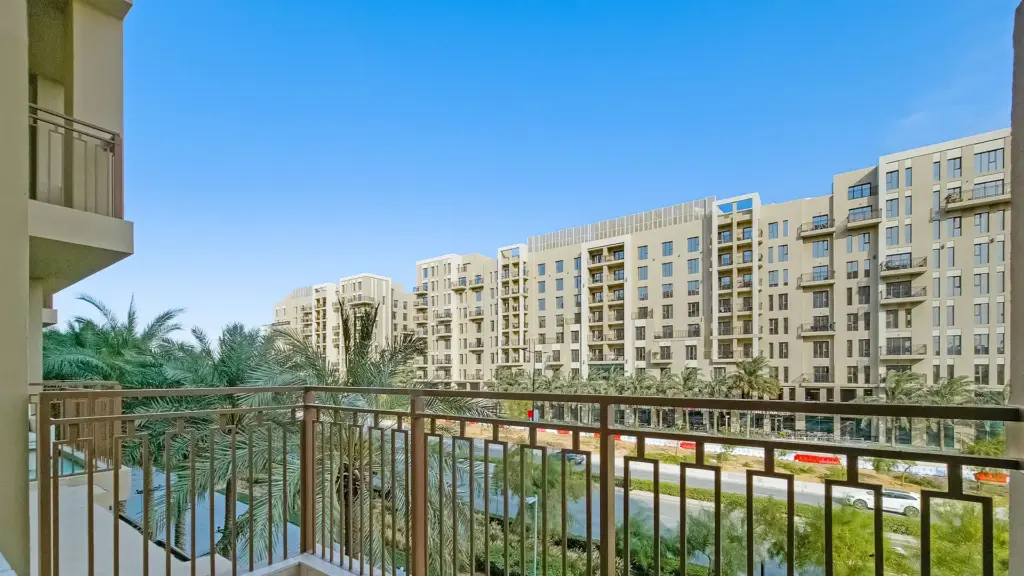
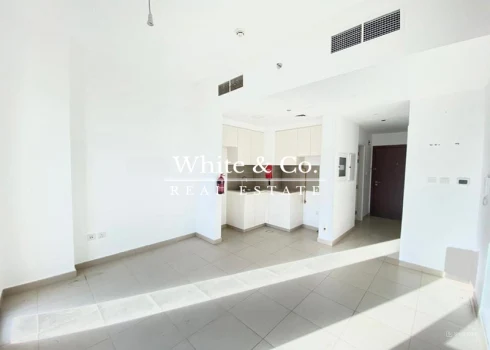
The residential mix covers apartments and townhouses, with townhouses consistently drawing the most attention from families. Apartment clusters including Safi, Zahra, Jenna and UNA offer studios through to three-bedroom units with open-plan layouts, balconies, shared gyms and pool access. UNA introduces a co-living and co-working concept, a 12-storey building with a 21,500 square foot lobby lounge aimed at younger residents and investors who want flexibility built into how they live and work.
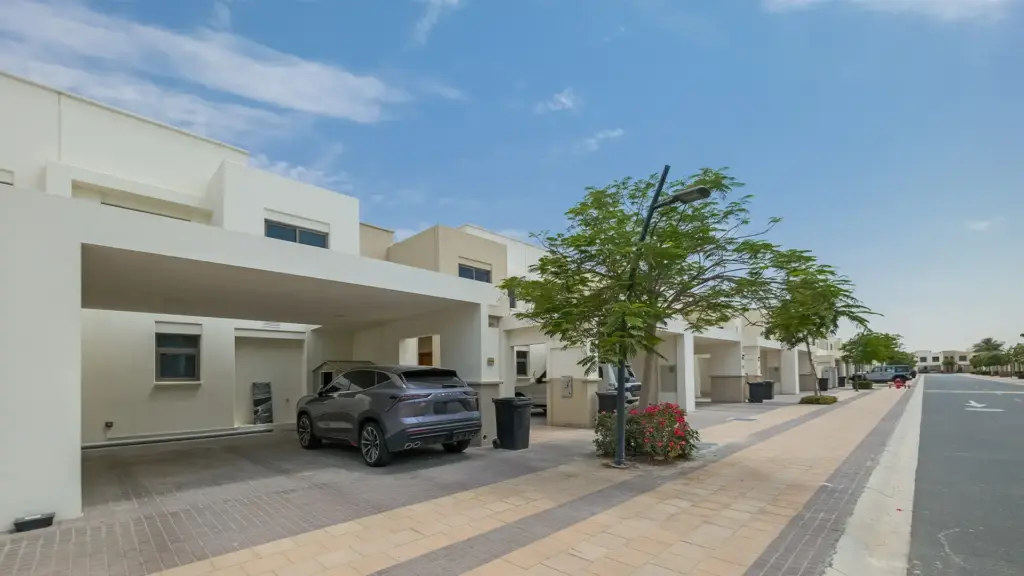
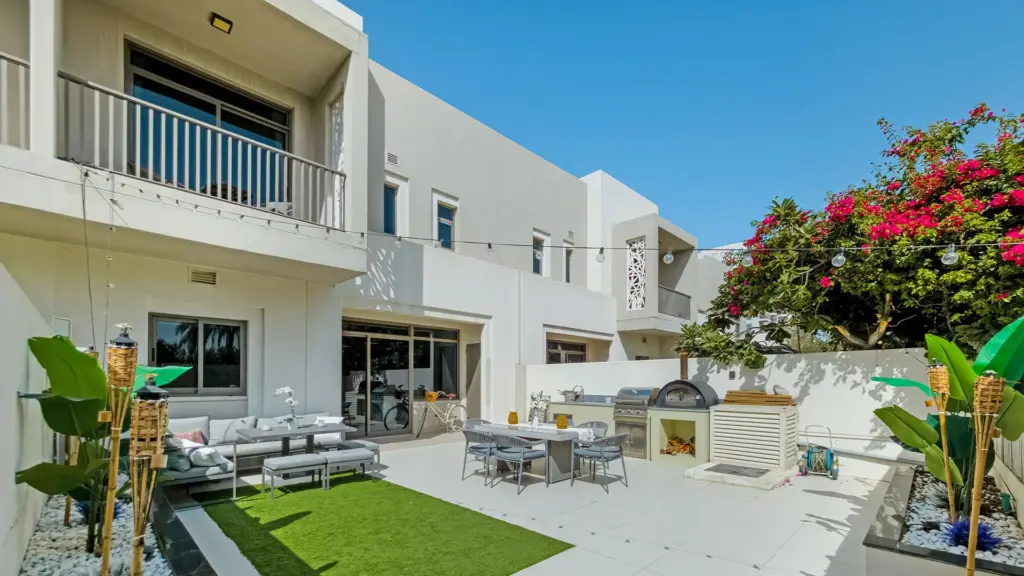
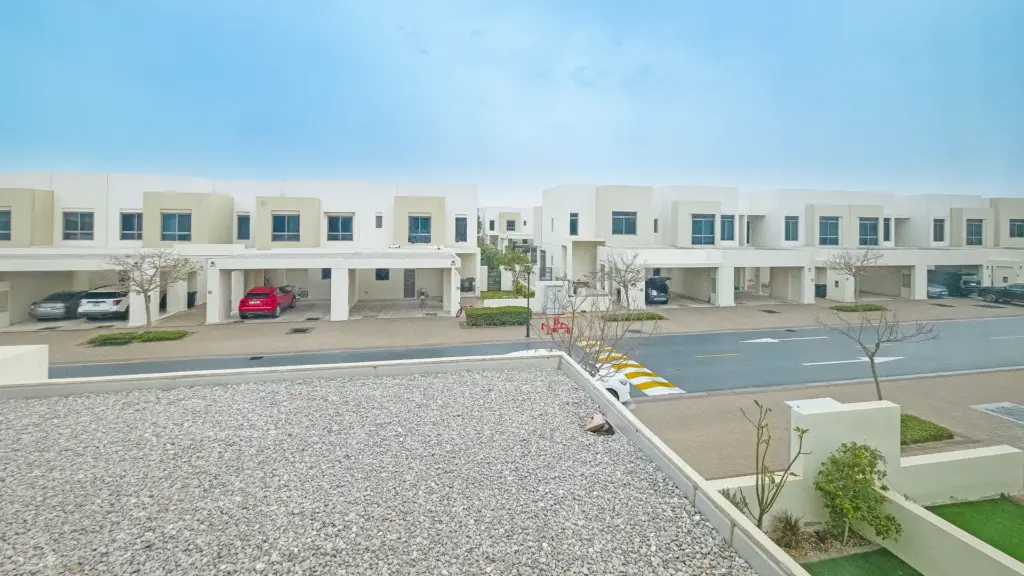
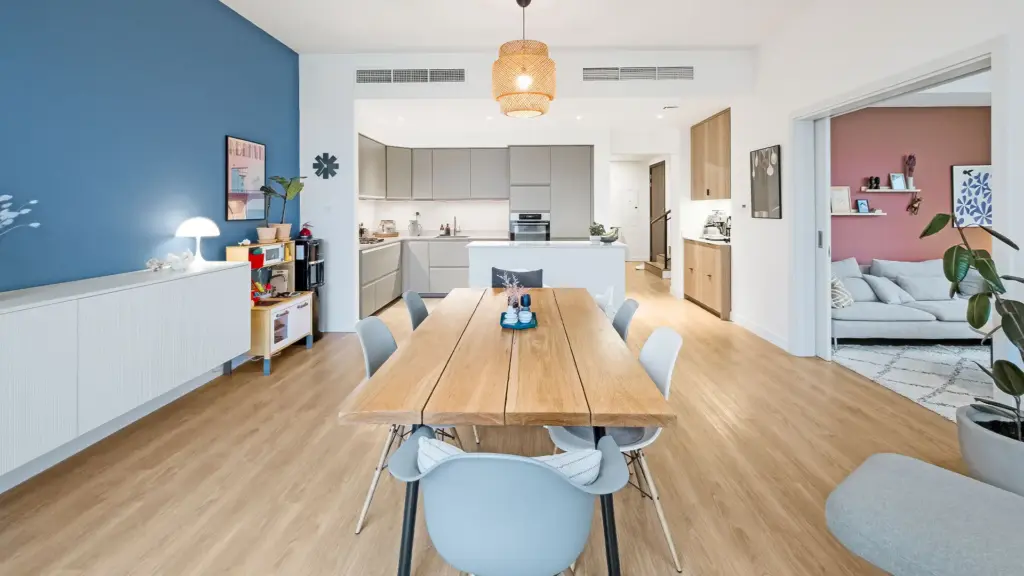
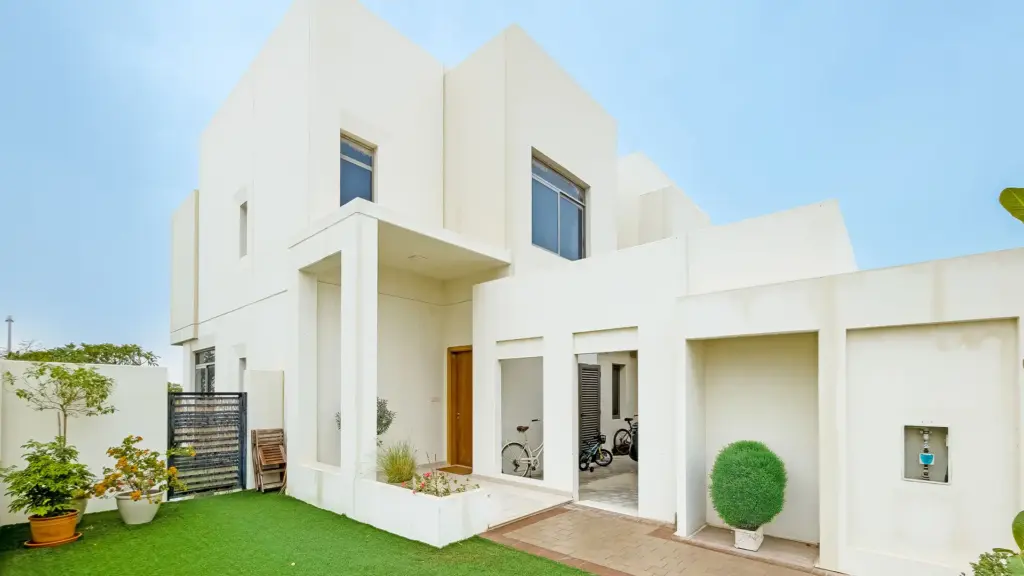
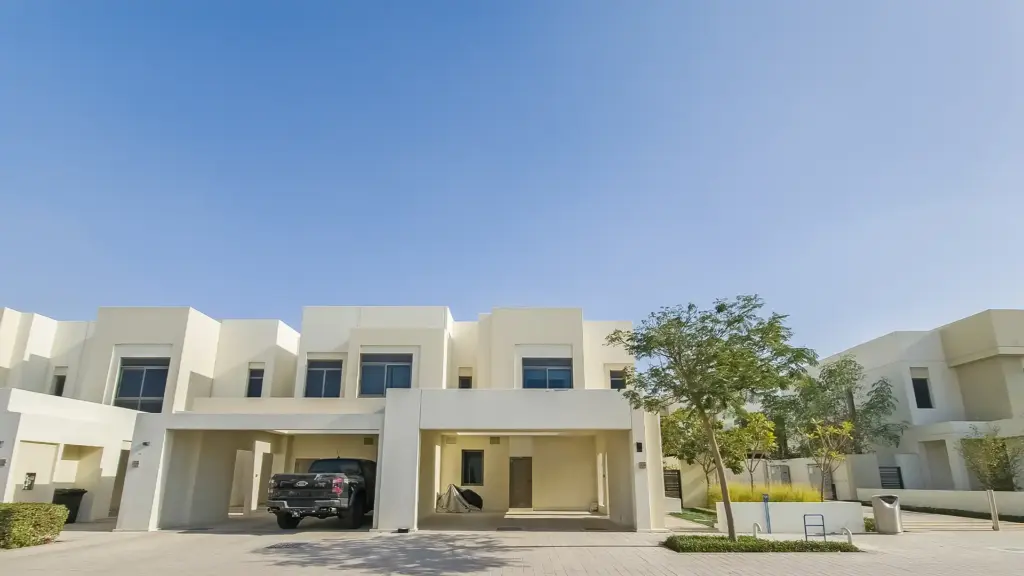
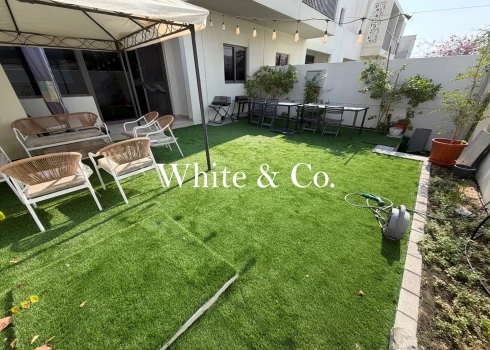
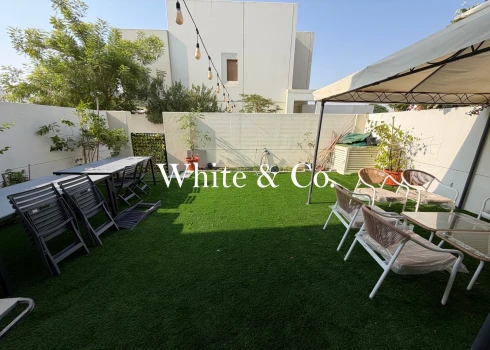
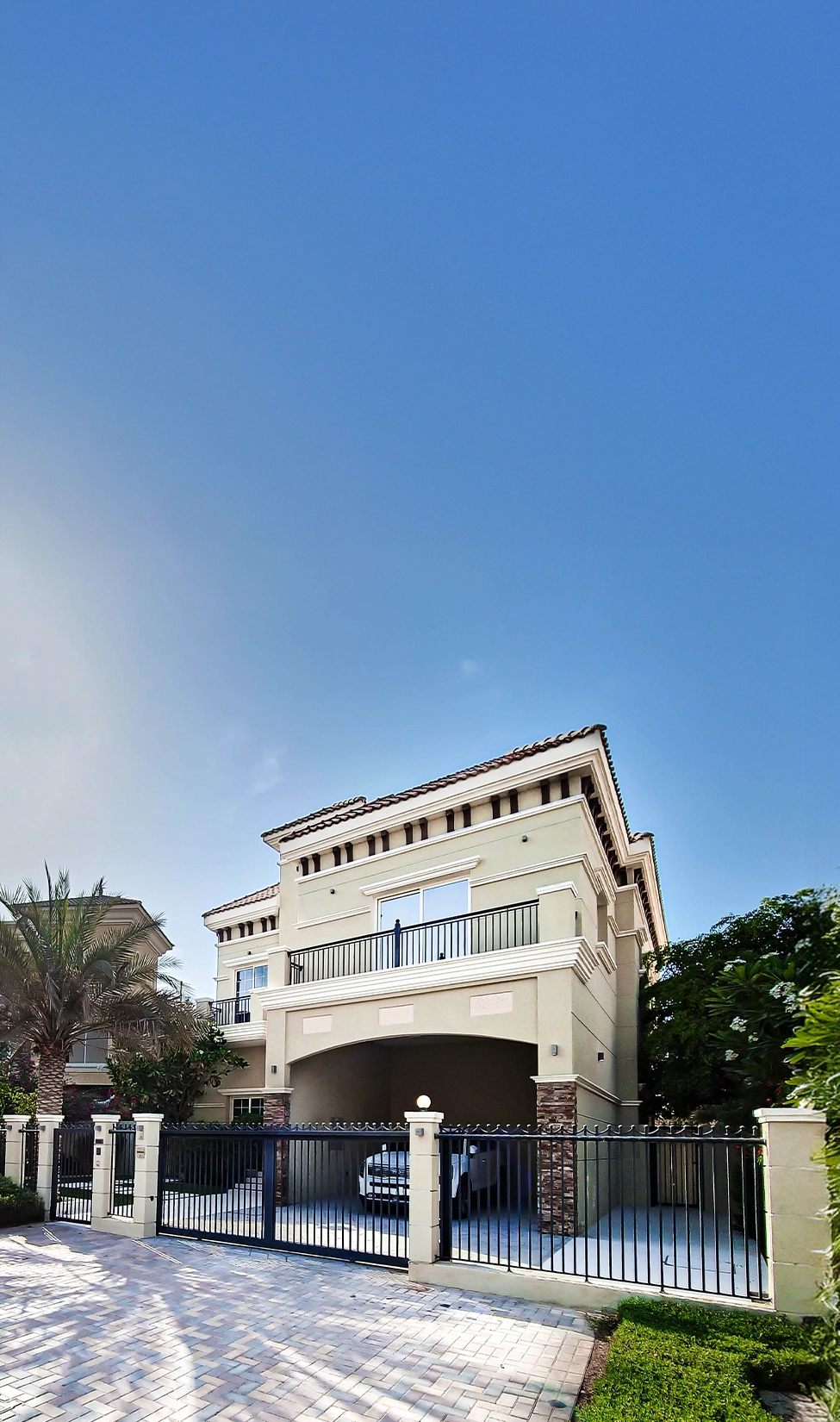
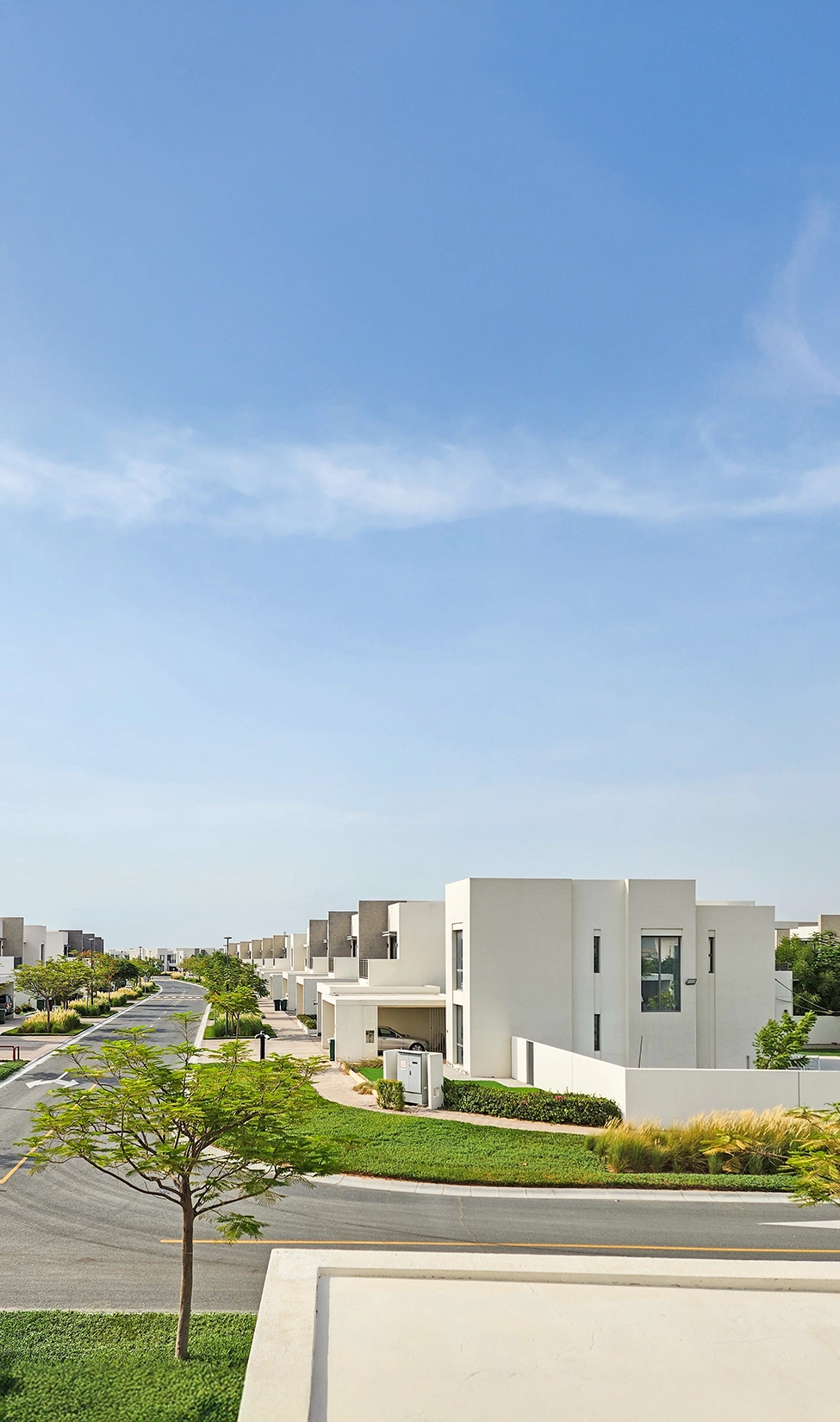
The townhouse clusters, Noor, Zahra, Hayat, Naseem and Sama among them, are the product that defined Town Square’s reputation. Three and four-bedroom homes with private gardens, maid’s rooms, covered parking and tree-lined streets. They are not large by villa standards but they offer genuine houses at price points that are difficult to find elsewhere in Dubai.
Current pricing reflects that positioning. Studios sell from around AED 530,000 and one-bedroom apartments average AED 944,000. Three-bedroom townhouses average AED 2.65 million and four-bedroom townhouses AED 3.27 million. On the rental side, studios average AED 40,800 per year, three-bedroom townhouses AED 139,800 and four-bedroom townhouses AED 169,800. At below AED 600 per square foot for much of the stock, Town Square remains one of Dubai’s more accessible freehold communities. Rental yields for apartments run between 8.45% and 8.73% and townhouses between 7.06% and 7.34%.
Who Should Buy Property in Town Square Dubai?
Town Square suits families who want a planned, functional community with genuine outdoor infrastructure at a price point that remains accessible. First-time buyers who want freehold ownership, a garden and a viable mortgage find very few alternatives in Dubai that deliver the same combination. Investors seeking strong yields and an active off-plan pipeline with Nshama’s established delivery track record find the numbers and the trajectory compelling.
It does not suit buyers who need regular beach access, urban proximity or walkable nightlife and entertainment. It does not suit those who want a prestige address or the energy of a more central location. The RTA feeder bus and community shuttle to EQUITI Metro Station provide public transport options, but day-to-day life without a car is genuinely constrained. Residents who drive and whose lives do not require central Dubai regularly find the trade-offs entirely manageable.
Important Things to Know Before Buying in Town Square Dubai
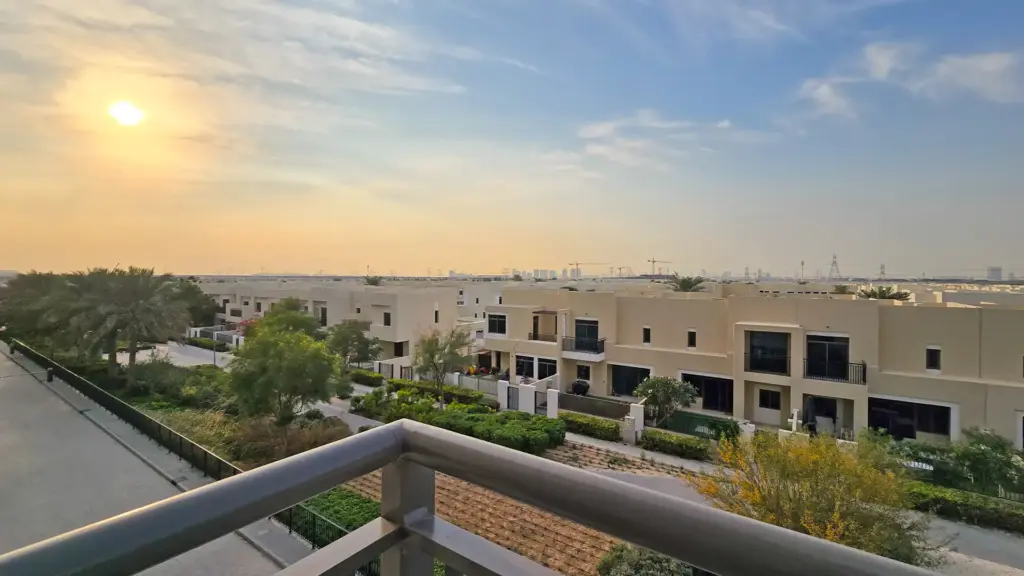
Position within Town Square matters more than the postcode alone. Properties adjacent to the central park or the main green corridors carry a premium and justify it. The daily quality of life difference between overlooking a park and backing onto a service road is real and lasting. Townhouse buyers should assess garden orientation and afternoon shade carefully: the outdoor space is a core part of what you are paying for and it needs to work through most of the year.
For investors, apartments in the UNA and co-living clusters appeal to a distinct tenant type: younger professionals and recent arrivals. The management structure reflects that profile. Understand what you are buying into before comparing yield figures across the development as a whole. Four-bedroom townhouse stock has outperformed in yield percentage terms; three-bedroom stock trades more frequently and retains strong liquidity.
For off-plan buyers, Nshama’s delivery track record is established and payment plans have been competitive. Factor the 2026 to 2028 handover timeline honestly against your own plans rather than treating it as an abstraction.
Healthcare is covered within the community through Medcare Medical Centre and YAH Polyclinic, with LIFE Pharmacy, Aster and Medcare Pharmacy accessible on-site or nearby. For more complex needs, Aster Clinic in Arabian Ranches is 10 minutes away and Emirates Hospital in Motor City 14 minutes.
What Online Photos Don’t Show About Town Square Dubai
The central park is better in person than listing photography suggests. Photographs capture individual facilities but not the cumulative effect of a space with a surf simulator, skate park, trampoline park, splash pad and carousel all operating simultaneously on a Saturday morning with the community genuinely in use around them. That atmosphere is the thing that converts sceptical visitors on first viewings and it is largely invisible online.
The townhouse gardens are also consistently undersold in listings. Understanding how the garden faces, how much afternoon shade it receives and how the layout connects indoor and outdoor space requires a physical visit rather than a floor plan review. These details define the day-to-day experience of living in a townhouse and they vary meaningfully between clusters and orientations.
The distinction between the noise and pace of the city and the quiet inside the gates registers on arrival rather than on a screen. Residents consistently describe the transition from Al Qudra Road to the community’s internal streets as more pronounced than they expected. That contrast is part of what they value most and it does not translate into photography.
Town Square Dubai Future Growth & Investment Potential
Town Square’s development trajectory is clear. Incoming phases, Elaya in Q3 2026, FIA in Q4 2026, Savannah in Q2 2027 and Alton in Q2 2028, will bring new residents and maintain activity without altering the character of what is already established. Phase II expansions will add a Town Square Mall, providing an on-site retail anchor that the community currently lacks at scale and addressing the one consistent gap in the daily experience.
The wider Dubailand corridor continues to develop. Arabian Ranches, Mudon, DAMAC Hills, The Sustainable City and The Valley all sit in proximity, each adding population and infrastructure to a corridor that was sparse a decade ago. That density benefits Town Square by improving the commercial case for local retail and services and by drawing road and transport investment to the area.
Al Maktoum Airport’s expansion is the longer-term variable worth watching. As DWC grows into a major aviation hub, proximity to it shifts from an afterthought to an asset, particularly for residents who travel frequently or whose employment moves toward the southern corridor of the city.
For investors the yield profile is strong now and the capital appreciation case rests on infrastructure maturation and continued demand from the middle-income buyer segment that Town Square was purpose-built to serve. For end-users the question is simpler: the community already works, prices remain accessible relative to what is on offer and the off-plan pipeline means the neighbourhood will only become more complete over the next few years.